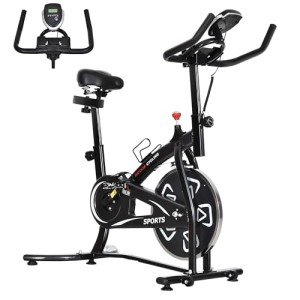
Pedaling Towards Fitness: A Guide to Stationary Bicycles For Sale
In a period where health and health are significantly prioritized, home fitness equipment has surged in appeal. Among the most effective and accessible tools are stationary bicycles. These flexible machines use a practical and impactful way to achieve fitness objectives, despite weather condition conditions or gym access. If you're considering buying your health and are looking for stationary bicycles for sale, this guide will supply you with important info to make a notified choice and find the best fit for your needs and goals.
Stationary bicycles, also referred to as stationary bicycle, have actually evolved significantly from their early, standard styles. Today's market uses a varied variety of models, each accommodating various fitness levels, preferences, and budgets. From easy, budget-friendly alternatives to state-of-the-art, interactive machines, the choices can be overwhelming. Understanding the numerous types, benefits, and key factors to consider is essential to ensuring you pick a stationary bike that will efficiently help your fitness journey and become an important addition to your home.
Checking out the Landscape: Different Types of Stationary Bicycles
The world of stationary bicycles is not monolithic. Numerous distinct types accommodate various exercise styles and fitness goals. Familiarizing yourself with these categories is the very first action in finding the best bike for you.
Here's a breakdown of the most typical kinds of stationary bicycles you'll find for sale:
- Upright Bikes: Resembling traditional road bikes, upright bikes position the rider in an upright posture. This type engages core muscles and simulates outdoor cycling effectively. They typically take up less flooring space and are frequently more budget-friendly than other types. Upright bikes are appropriate for general fitness, calorie burning, and light to moderate intensity workouts.
- Recumbent Bikes: These bikes are developed for convenience, featuring a reclined seat with back assistance and pedals positioned in front of the rider. Recumbent bikes decrease tension on the joints, especially the back and knees, making them ideal for individuals with joint discomfort, movement issues, or those recovering from injuries. They offer a comfy, low-impact workout, ideal for longer durations and steady-state cardio.
- Spin Bikes (Indoor Cycling Bikes): Inspired by studio cycling classes, spin bikes are developed for extreme, high-energy exercises. They include a heavier flywheel, permitting greater resistance and a more practical road cycling feel. Spin bikes often have a forward-leaning posture, engaging more muscle groups and facilitating powerful, interval-based training. They are perfect for severe cyclists, those looking for high-intensity cardio, and people who delight in tough workout sessions.
- Dual-Action Bikes (Fan Bikes or Air Bikes): These bikes incorporate moving handlebars that engage the arms and upper body in addition to the legs. Dual-action bikes use fan resistance, where the resistance increases with pedaling speed, using a tough full-body workout. They are outstanding for high-intensity interval training (HIIT) and calorie burning, offering a comprehensive cardiovascular and muscular workout.
- Hybrid Bikes: Some bikes blur the lines, providing features of several classifications. For instance, some upright bikes might provide recumbent-like features or vice versa. Understanding your primary workout objectives will help you recognize if a hybrid bike appropriates.
Why Choose a Stationary Bicycle? Unveiling the Benefits
Buying a stationary bicycle is a financial investment in your wellness. The benefits extend beyond simply physical conditioning and add to a healthier, more balanced way of life.
Here are some compelling reasons you should think about a stationary bicycle:
- Improved Cardiovascular Health: Stationary cycling is an excellent aerobic exercise that enhances your heart and lungs. Routine use can reduce blood pressure, decrease the threat of heart problem, and enhance total cardiovascular function.
- Effective Calorie Burning and Weight Management: Stationary bikes are highly efficient at burning calories. The intensity and duration of your workouts can be quickly adapted to align with your weight loss or weight upkeep goals.
- Low-Impact Exercise: Unlike running or high-impact exercises, stationary cycling is gentle on your joints. This makes it an appropriate choice for people of any ages and fitness levels, including those with joint pain or injuries.
- Convenience and Accessibility: Having a stationary bicycle at home eliminates the need for gym commutes and enables you to exercise whenever it fits into your schedule, despite the weather condition.
- Muscle Toning and Strengthening: While primarily a cardiovascular exercise, stationary cycling also strengthens your leg muscles, including quads, hamstrings, and calves, as well as engaging your core and glutes.
- Psychological Well-being: Exercise, consisting of stationary cycling, launches endorphins, which have mood-boosting effects. It can help in reducing stress, stress and anxiety, and improve overall psychological well-being.
- Trackable Progress: Many contemporary stationary bicycles included consoles that track metrics like time, range, speed, calories burned, and heart rate, enabling you to monitor your progress and stay motivated.
Browsing the Purchase: Key Factors to Consider
Before you hurry to purchase the first stationary bicycle you see for sale, it's vital to think about several aspects to ensure you choose a bike that satisfies your specific requirements and will be a rewarding investment.
Here's a list of vital considerations:
- Budget: Stationary bikes differ widely in price. Identify your spending plan in advance and check out alternatives within your price variety. Keep in mind that greater rate does not constantly ensure much better quality, but investing in a long lasting and trusted bike is normally a great long-term technique.
- Kind of Bike: As discussed earlier, various types of bikes cater to different requirements. Consider your fitness goals, physical condition, and chosen workout style to figure out which type of bike is most appropriate (upright, recumbent, spin, dual-action).
- Resistance Levels: The resistance mechanism of the bike identifies the intensity of your workout. Try to find bikes with adjustable resistance levels, ideally providing a vast array to accommodate your fitness progression and different workout intensities. Consider the type of resistance: magnetic, friction, or air. Magnetic resistance is generally quieter and smoother.
- Functions and Technology: Modern stationary bikes can come with a variety of features, including:
- Console Display: Shows workout metrics like time, speed, distance, calories, heart rate.
- Pre-programmed Workouts: Offers variety and structured training sessions.
- Heart Rate Monitoring: Built-in or suitable with heart rate screens for tracking intensity.
- Connectivity: Bluetooth or Wi-Fi connection for app integration, virtual training programs, and home entertainment.
- Convenience and Adjustability: Comfort is critical for consistent usage. Consider:
- Seat Adjustability: Ensure the seat is adjustable both vertically and horizontally to accommodate various body sizes.
- Handlebar Adjustability: Adjustable handlebars permit a comfy riding posture.
- Pedal Design: Look for comfy and secure pedals, potentially with straps to keep your feet in location.
- Size and Space: Consider the footprint of the bike and guarantee you have adequate area in your house to accommodate it. If area is limited, try to find collapsible or compact models.
- Resilience and Warranty: Investigate the develop quality of the bike. Buy Exercise Bike for durable building and construction and reliable brand names. Inspect the service warranty provided, particularly on the frame and parts, to make sure defense versus defects.
- Noise Level: Some bikes can be noisier than others, especially fan bikes or those with friction resistance. If noise is a concern, choose bikes with magnetic resistance or check out evaluations concerning noise levels.
Where to Find Stationary Bicycles For Sale
When you have an excellent idea of the kind of stationary bike you're trying to find and the functions you require, the next action is to discover where to purchase one.
Here prevail places to try to find stationary bicycles for sale:
- Online Retailers: Websites like Amazon, fitness equipment retailers' sites, and outlet store sites offer a broad choice of stationary bicycles from various brand names. Online shopping offers convenience, rate comparisons, and often customer reviews.
- Sporting Goods Stores: Physical shops like Dick's Sporting Goods, Academy Sports + Outdoors, and regional sporting products shops typically have a variety of stationary bikes on screen. This permits you to see and often try the bikes before purchasing.
- Department Stores: Big box stores like Walmart and Target may bring economical stationary bikes, especially around fitness-related sales events.
- Specialized Fitness Equipment Stores: These stores focus on fitness equipment and often offer higher-end brand names, expert recommendations, and installation services.
- Utilized Equipment Marketplaces: Websites like Craigslist, Facebook Marketplace, and local classifieds can be sources for used stationary bikes at possibly lower prices. However, exercise care when buying pre-owned equipment and examine it completely before buying.
Tips for Finding a Good Deal
Buying a stationary bike is a financial investment. Here are some ideas to help you discover a great deal:
- Shop Sales Events: Look for sales around vacations (like Black Friday, New Year's, or Memorial Day) or fitness-focused durations. Retailers often use substantial discounts during these times.
- Compare Prices: Don't choose the very first offer you discover. Compare costs throughout various sellers and sites to guarantee you're getting the best deal.
- Think About Refurbished Models: Some merchants provide refurbished stationary bikes at minimized rates. These are generally bikes that have been returned or used as flooring models but have actually been checked and restored to working condition.
- Negotiate (In-Store): In physical stores, specifically smaller fitness equipment retailers, you may be able to negotiate the rate, particularly for flooring models or older inventory.
- Explore Used Options: If you're on a tight budget plan, consider exploring the used market. You can find properly maintained stationary bicycles at considerably lower prices if you want to do some browsing and check the equipment thoroughly.
Conclusion: Embark on Your Fitness Journey
Purchasing a stationary bicycle is a proactive action towards enhancing your health and well-being. By comprehending the different kinds of bikes available, considering your individual requirements and choices, and carefully assessing the factors outlined in this guide, you can confidently navigate the market and find the ideal stationary bicycle for sale. Whether you are intending for intense cardio exercises, low-impact rehabilitation, or just a practical way to remain active in your home, a stationary bicycle can be a valuable and enduring addition to your fitness toolbox. So, start exploring your alternatives, discover the bike that encourages you, and get prepared to pedal your way to a much healthier and trimmer you!
Often Asked Questions (FAQs) about Stationary Bicycles
Q: Are stationary bicycles excellent for weight loss?A: Yes, stationary bicycles are outstanding for weight loss. They burn a significant variety of calories, particularly throughout moderate to high-intensity exercises. Integrated with a healthy diet plan, regular stationary cycling can contribute successfully to weight loss goals.
Q: How long should I ride a stationary bike for a great workout?A: For general fitness, intending for at least 30 minutes of moderate-intensity cycling most days of the week is recommended. For weight-loss or more intense training, you may aim for longer durations or include interval training sessions.
Q: Is a stationary bicycle better than running?A: "Better" is subjective and depends upon your goals and preferences. Running is greater impact and burns more calories per hour, while stationary cycling is lower effect and gentler on joints. Stationary bicycles are a great alternative for those seeking low-impact cardio, while running can be chosen for greater intensity and outside enjoyment.
Q: Can I utilize a stationary bike every day?A: Yes, you can utilize a stationary bike every day, especially for moderate-intensity workouts. However, listen to your body and include rest days if required, especially after extreme sessions.
Q: What muscles do stationary bikes work?A: Stationary bikes mostly work your leg muscles, consisting of quadriceps, hamstrings, calves, and glutes. Stationary Bike engage your core muscles for stability. Dual-action bikes additionally work your arm and shoulder muscles.
Q: How do I maintain my stationary bicycle?A: Regular upkeep includes cleaning down the bike after each use, lubricating moving parts periodically (as per maker instructions), examining and tightening bolts, and inspecting for wear and tear. Refer to your bike's handbook for particular maintenance guidelines.
Q: What is the distinction between magnetic and friction resistance on stationary bicycles?A: Magnetic resistance uses magnets to produce resistance, leading to smoother, quieter, and typically more consistent resistance. Friction resistance uses pads that rub versus the flywheel to produce resistance, which can be noisier and may require pad replacement over time. Magnetic resistance is typically preferred for its smoother and quieter operation.